A Practical Guide to Natural Latex Mattresses: Comfort, Support, and Longevity
In the quiet dawn of the bedroom, a mattress is more than a surface; it is a partner in the science of sleep. Natural latex mattresses, born from the sap of rubber trees, offer a distinctive blend of responsiveness, durability, and ecological mindfulness. This guide explores how Dunlop and Talalay processes shape feel, what to look for in materials and construction, and how to assess long-term comfort and performance. Written with the curiosity of a natural historian and the rigor of a sleep scientist, it invites readers to make informed, non-commercial decisions grounded in evidence and product specificity from trusted brands.
Introduction to natural latex: what it is and how it is made
Natural latex is a resilient, elastic material harvested from the Hevea brasiliensis tree. Like the sap that sustains a forest, latex can be harvested responsibly without harming the tree, producing a foam that serves as a core component of premium sleep systems. There are two principal manufacturing methods: Dunlop and Talalay. Each process crafts a distinctly different feel and durability profile, which, in turn, influences sleep experience and long-term performance.
The Dunlop process yields a denser, more uniformly packed foam with a slightly heavier feel. It is often noted for its support and durability, making it a robust option for sleepers who crave immediate pressure relief without sacrificing structure. Talalay, by contrast, produces a foam that is lighter and more buoyant, with an airier cell structure that can translate into a softer initial feel followed by stable contouring as weight is distributed. Consumers should consider these contrasts alongside firmness choices, thickness, and body weight when evaluating a latex mattress.
What to look for in materials and certifications
When assessing a natural latex mattress, the composition of the core foam is only the first line of inquiry. A thoughtful evaluation extends to the surrounding layers, the cover, and, crucially, the certifications that attest to organic and ethical standards. Look for:
- Core latex type: Dunlop or Talalay, and the resulting ILD (indentation load deflection) range, which signals firmness and support level.
- Fill and comfort layers: often natural latex is combined with wool, cotton, or other breathable materials to regulate temperature and moisture.
- Organic and sustainable certifications: GOLS (Global Organic Latex Standard) for latex, GOTS (Global Organic Textile Standard) for fabrics, and FSC for wood-based components in the bed frame if you’re building a holistic sleep system.
- Allergen considerations and antimicrobial properties: natural latex can offer resilience against dust mites and mildew, but care should be taken with maintenance and ventilation to preserve performance.
In real-world terms, a latex mattress that emphasizes organic sourcing, responsible manufacturing, and transparent labeling tends to deliver a longer lifecycle with fewer irritants that might disturb sensitive sleepers. It is not merely a luxury; it is a commitment to consistency in sleep quality over years.
Choosing a latex mattress: key factors to compare
To select a latex mattress that aligns with your sleep profile, consider these core dimensions:
- Firmness and ILD ranges: Latex mattresses come in a spectrum from soft to firm. Understand the ILD rating of the core latex and how it interacts with the comfort layers. Heavier sleepers may prefer higher ILD cores to maintain spinal alignment, while lighter sleepers might favor lower ILD for gentle contouring.
- Thickness and zoning: A thicker latex core often provides longer-lasting support, but the overall feel will be shaped by the top layers. Some designs incorporate zoned support to address pelvic and shoulder regions, delivering targeted reinforcement where it matters most.
- Certification and provenance: Prioritize brands with transparent sourcing and certification programs (GOLS, GOTS, etc.). Organic and sustainable credentials reduce exposure to synthetic additives and support ecological stewardship.
- Cover materials and breathability: Natural fiber covers with moisture-wicking properties enhance comfort in warmer climates and for hot sleepers. The cover should be removable and washable where possible, or designed for easy maintenance without compromising the latex core.
- Durability and warranty: Latex is inherently resilient, but the overall lifecycle depends on construction quality, edge support, and resistance to sagging. A robust warranty signals a brand’s confidence in longevity.
Understanding these factors helps align a latex mattress with sleep goals—whether you seek coolness and buoyancy, deeper contouring for pressure relief, or a balanced hybrid that combines latex with other materials for a custom feel.
Feel, temperature regulation, and longevity
Natural latex has intrinsic properties that influence comfort and temperature management. Its cell structure tends to promote airflow, aiding in moisture evaporation and cooler sleeping temperatures. The resilience of latex supports a quick recovery from movement, reducing the “sinking feeling” some memory foams generate. Yet the ultimate sensation is shaped by the surrounding materials—whether a wool top layer that wicks moisture, or a cotton cover that fosters breathable microclimates.
Durability is another hallmark. With proper care, latex mattresses can maintain structural integrity for a decade or longer. The key to longevity lies in avoiding compressive forces that deform core regions, ensuring consistent support across sleeping positions. Regular rotation and protective foundations can help preserve loft and contour without accelerating wear.
What to expect in real-world use
Users often report that natural latex mattresses provide a balanced blend of support and plushness. People who sleep on their sides may appreciate the gentle contour around shoulders and hips, while back and stomach sleepers may value the stable spinal alignment that a properly chosen latex core offers. Temperature regulation is frequently highlighted as a notable advantage, particularly when latex is paired with breathable covers and natural fillings such as wool or cotton.
Maintenance is straightforward but meaningful. Regular airing, spot-cleaning as needed, and gentle rotation help preserve the topography of the sleep surface. If a spill occurs, promptly blotting and minimal washing preserves the protective properties of the cover and the life of the latex core. Routine vigilance against moisture, mold, and dust mites further secures long-term performance.
Three key voices from different time periods
An ancient observer: Hypnos and the dawn of restful sleep
In antiquity, sleep was a sacred ritual as much as a biological necessity. Observers like Hypnos, the personification of sleep in classical myth, offered a poetic frame for understanding how a restful night could shape memory, mood, and healing. While not a scientist in the modern sense, ancient thinkers acknowledged the fragility and delicacy of sleep, the way a quiet chamber and a secure surface can cradle renewal. The metaphor of soft, supportive surfaces echoes in latex’s promise of buoyant yet contouring comfort—an echo across centuries that the bed is a sanctuary where the body can reset each night.
A Renaissance scientist: precision, material science, and empirical observation
During the Renaissance, curiosity led to a transformation in how materials were understood: their properties, their interactions with the body, and their potential to improve daily life. A hypothetical Renaissance observer would celebrate latex’s elasticity as a natural marvel, while demanding rigorous documentation of its sourcing and performance. The shift toward empirical testing—weight-bearing measurements, pressure mapping, and duration-based wear tests—laid the groundwork for modern sleep science. In latex, one sees a material whose durability is made measurable by ILD, response time, and resilience under repeated loading.
A contemporary sleep scientist: evidence, metrics, and user-centered design
Today’s sleep researchers emphasize multidisciplinary evaluation: biomechanics of spinal alignment, thermoregulation, and subjective comfort. Latex mattresses are assessed not only for firmness but for how well the surface manages heat, moisture, and pressure distribution across sleeping positions. A modern approach couples laboratory measurements with real-world trials, dashboards of consumer feedback, and long-term durability data. This fusion of data and lived experience helps ensure that the topography of the mattress—its contours, its layers, and its materials—supports a night of restorative sleep rather than a single season’s trend.
A note on design identity and a current example
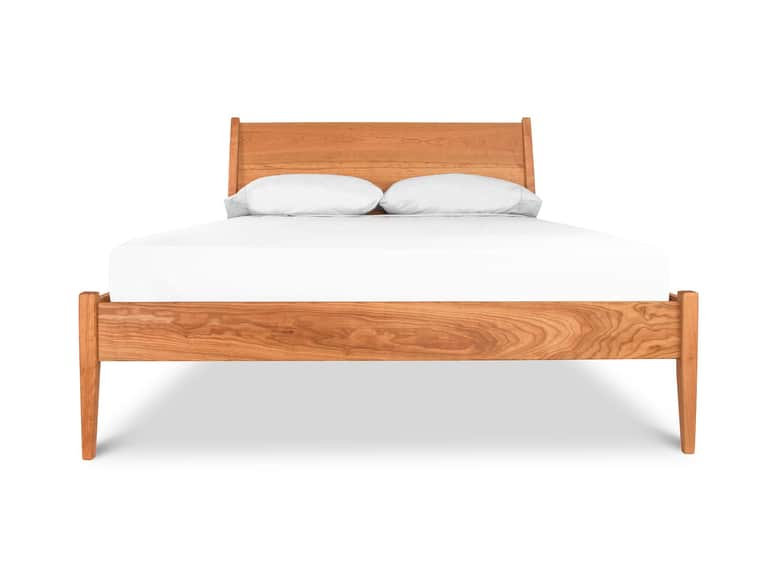
In keeping with a non-commercial, informational focus, this guide references a contemporary example that embodies thoughtful, non-pushy design philosophy: the Repose Bed Frame. Crafted from sustainably sourced wood, the Repose Bed Frame offers a sturdy, understated foundation that complements premium sleep systems without becoming the focal point of the room. Its in-home delivery and precise assembly remove logistical friction, aligning with a bedroom wellness ethos that prioritizes ease, durability, and ecological responsibility. The frame’s clean lines and warm natural aesthetics echo the broader narrative of top-of-bed wellness—a space where every element works in harmony to enhance rest, rather than distract from it.
As a reminder, this article maintains a non-commercial stance, focusing on materials, craftsmanship, and the science of sleep. Readers are encouraged to explore a range of brands and designs, evaluating them through the lens of evidence-based guidance rather than marketing claims.
Product example
Repose Bed Frame
Sustainably sourced wood, sturdy construction, in-home delivery and setup.
Another reference
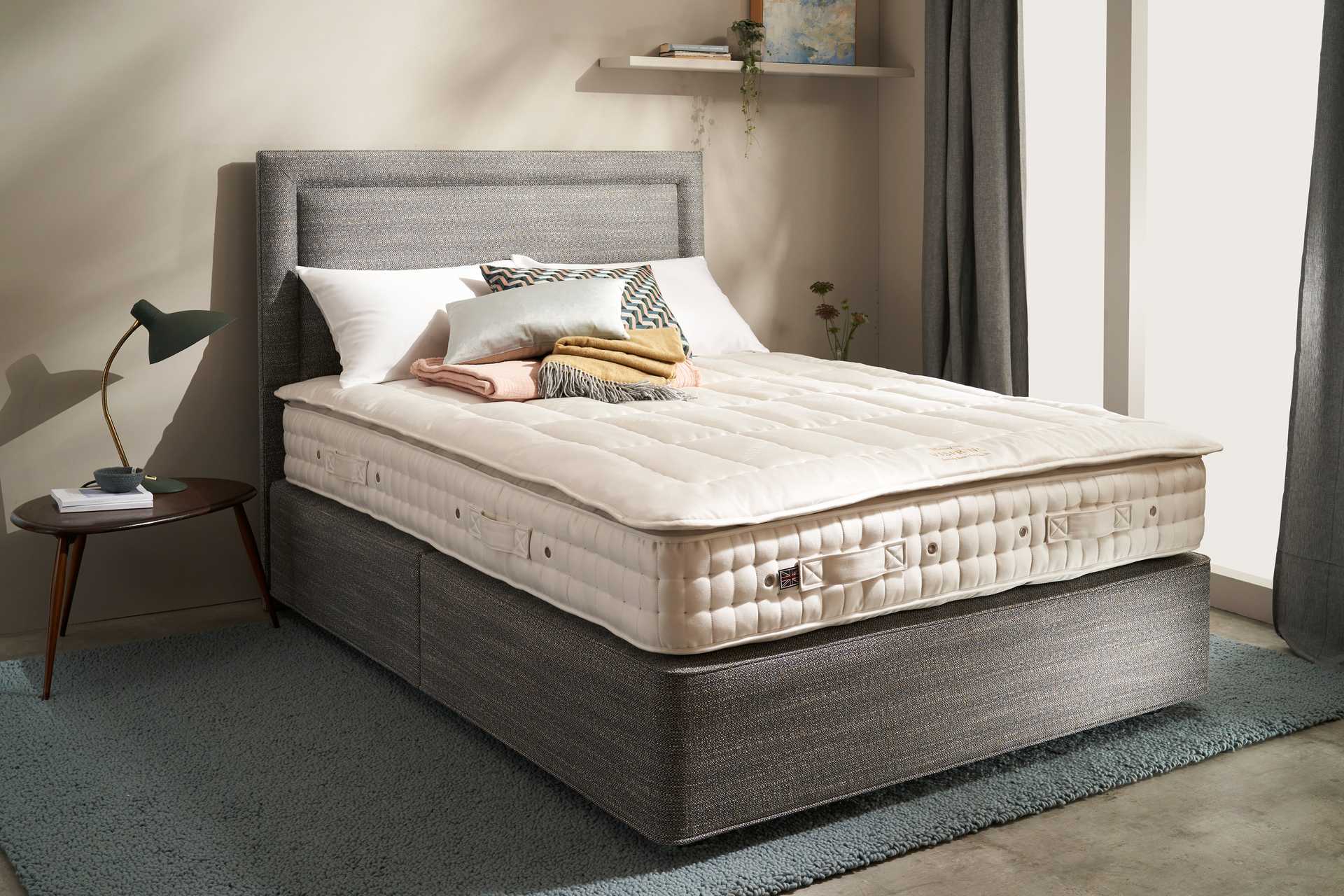
Vispring Heaven Topper
Luxury wool topper highlighting temperature regulation and pressure relief.
Glossary of terms
- ILD
- Indentation Load Deflection; a measurement of firmness for foam and latex.
- GOLS
- Global Organic Latex Standard; certification for organic latex production.
- GOTS
- Global Organic Textile Standard; certification for organic fabrics used in bedding and covers.
- Talalay
- A latex manufacturing process that yields a lighter, more breathable foam.
- Dunlop
- A latex manufacturing process that produces a denser, more supportive core.
Conclusion: informed, non-commercial sleep choices
Natural latex mattresses represent a thoughtful intersection of science, craftsmanship, and sustainable design. By examining material types, certifications, construction, and real-world usage, readers can identify a surface that harmonizes comfort, support, and longevity. The aim is not to chase the latest trend but to cultivate a sleep environment that respects the body's needs, the environment, and the patient, patient discipline of routine night after night.
As you consider a latex mattress within the broader concept of top-of-bed wellness, remember that the best sleep surface balances personal preference with empirical guidance. Whether you lean toward the buoyant lift of Talalay or the stalwart support of Dunlop, the right choice rests on understanding how the pieces work together: the core, the cover, the surrounding layers, and the frame that holds it all in place. In that harmony lies the promise of comfort, genuine support, and a durable foundation for healthier days ahead.