Bedding encompasses a broad range of textiles and components designed to enhance comfort, hygiene, and sleep quality. This category covers layers such as mattress toppers, pillows, and sheet fabrics, with a focus on materials, construction, and environmental impact. Understanding these elements helps identify solutions that support spinal alignment and pressure distribution.
Key features to consider include material type (memory foam, latex, or natural fibers), firmness options, breathability, and washability. Latex mattress toppers, for example, offer buoyant support and resilience, while organic fabrics reduce exposure to synthetic additives. Knowledge of care instructions extends product longevity and maintains beneficial properties over time.
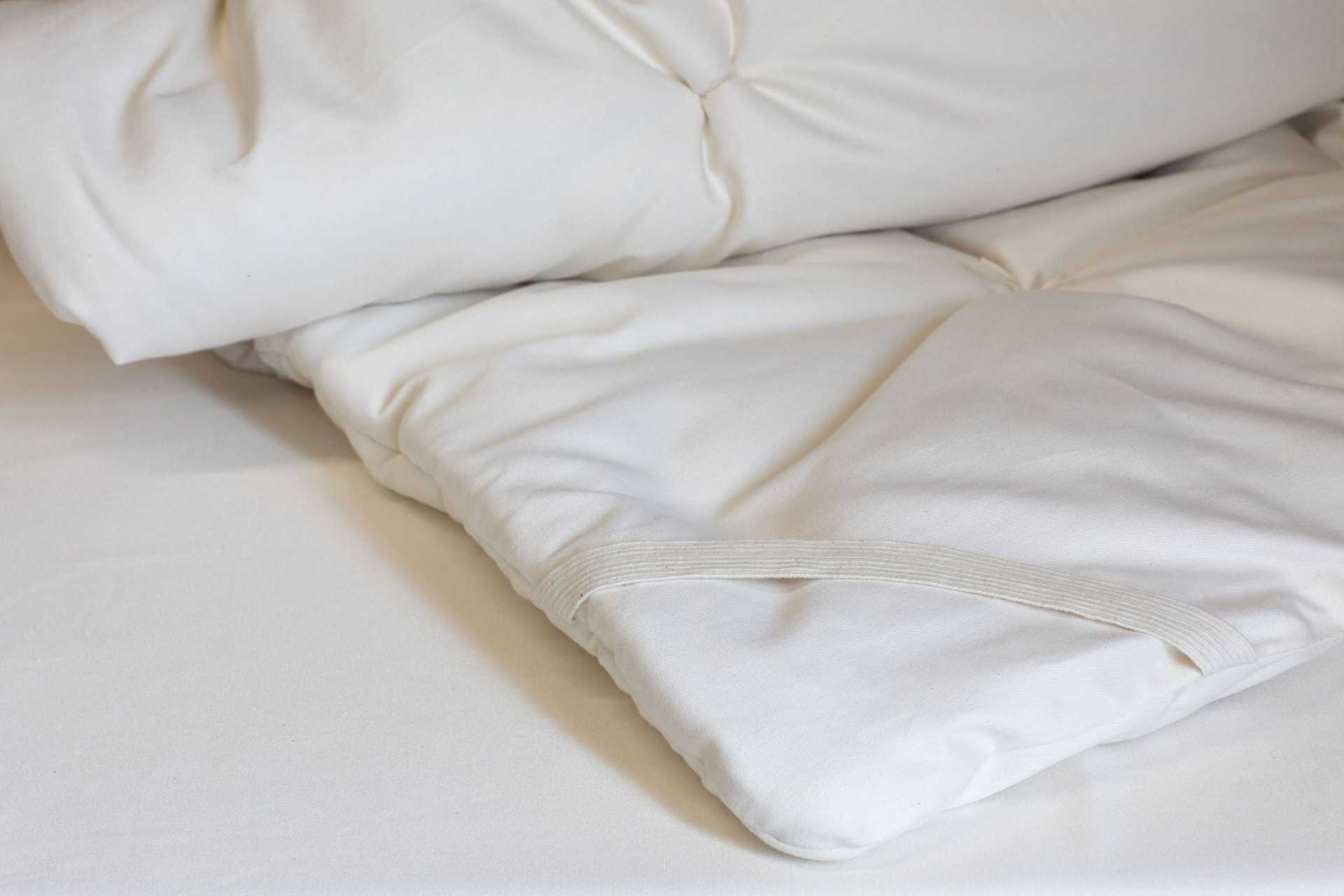
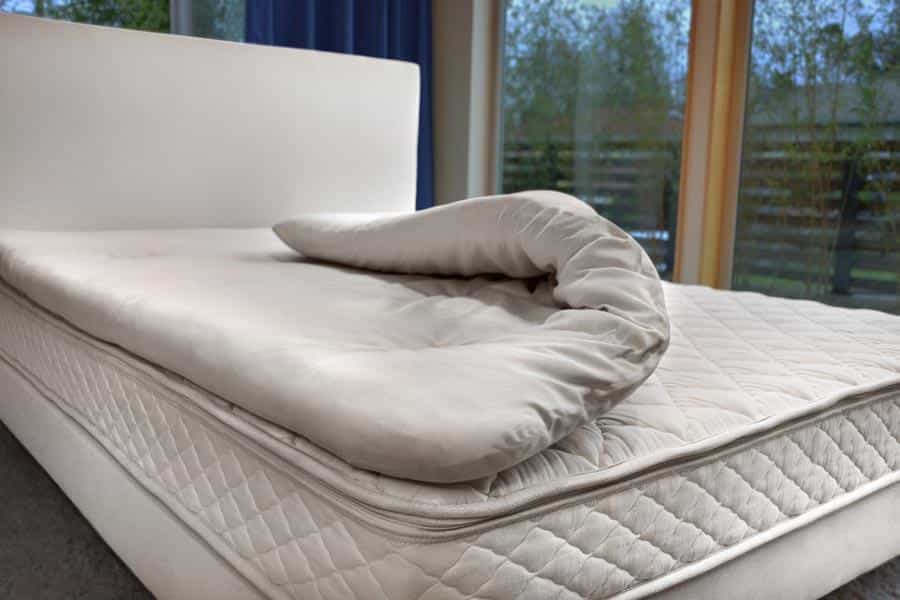
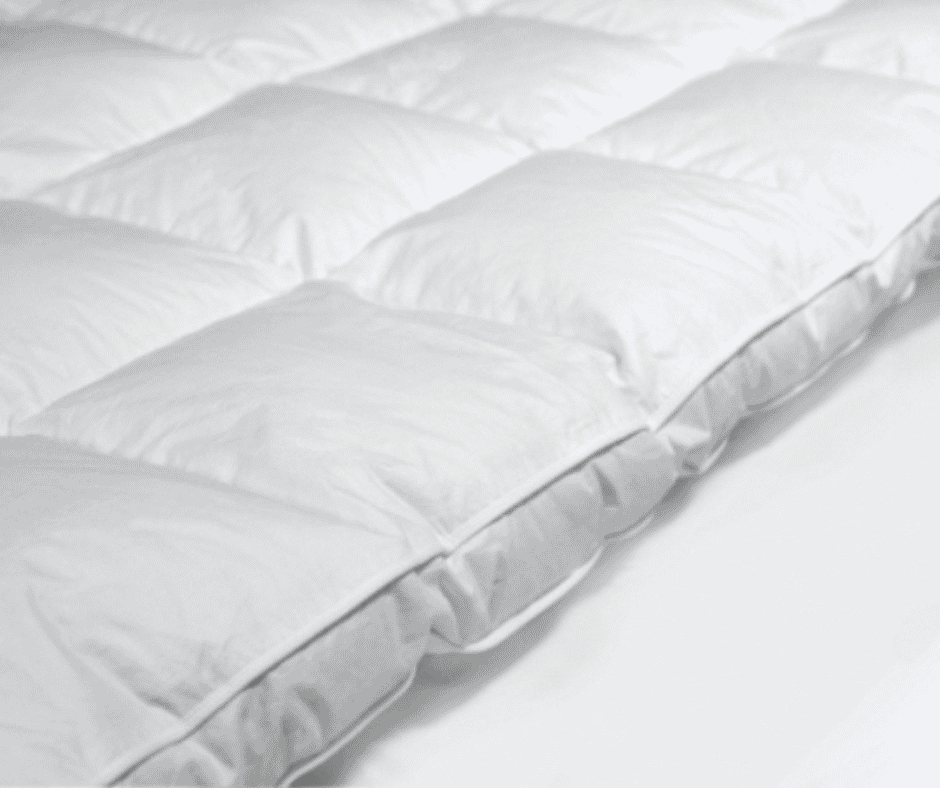
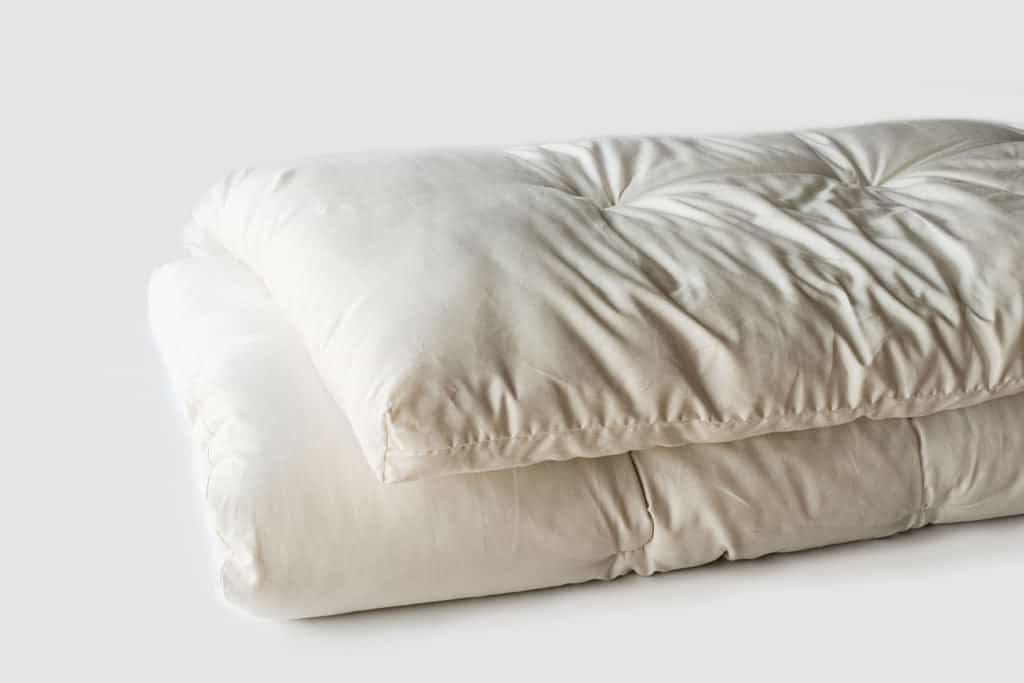
The Certified Organic Quilted Topper represents an example of how organic standards translate into practical bedding performance. Quilted designs provide a balanced feel, while certification signals adherence to environmental and health-conscious manufacturing practices. Such toppers can influence sleep temperature, moisture management, and overall comfort levels across different sleeping positions.
Latex toppers are notable for their contouring support, durability, and natural antimicrobial qualities, making them a favorable option for sleepers seeking long-term resilience. When selecting a latex mattress topper, considerations include ILD (firmness), thickness, and allergen considerations. These factors contribute to customizing a sleep surface without sacrificing support.
In addition to toppers, the bedding category addresses pillows and related accessories that influence neck alignment and head support. Understanding how variations in loft, fill, and cover materials interact with toppers helps optimize a sleep system. This knowledge supports informed decisions about ergonomic support, temperature regulation, and long-term comfort.
 Bedding