Comforters are a key layer in bedding, providing warmth, thickness, and a cohesive aesthetic across sleep environments. They vary in filling materials, weight, and insulation levels, influencing temperature regulation and night‑time comfort. Understanding these factors helps align a comforter with personal warmth preferences, room climate, and mattress support needs.
In this category, common fillings include down, hypoallergenic alternatives, and synthetic blends, each with distinct loft, breathability, and care requirements. Hypodown® Bed features are designed to offer breathable, full‑body warmth while maintaining a lighter feel, reducing bulk under the edges of the sheet set and enhancing overall sleep temperature stability.
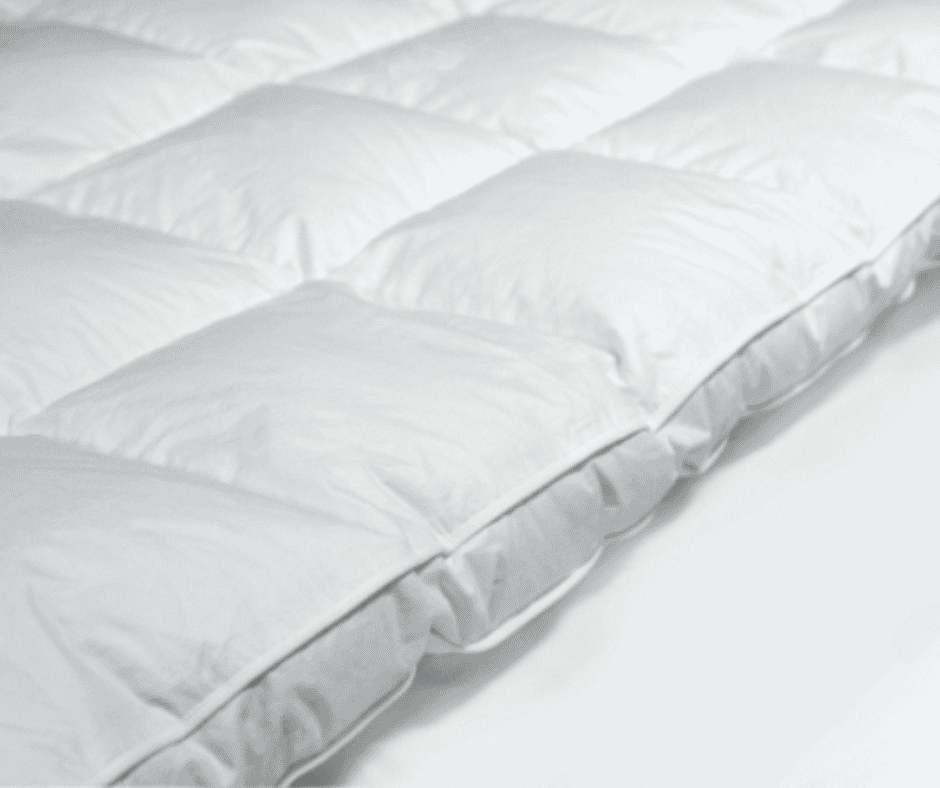
Key characteristics to evaluate are warmth rating, fill power, and shell fabric. Higher fill power generally delivers greater warmth with less weight, while a breathable shell promotes airflow to prevent overheating. Constructed with durable, easy‑care fabrics, comforters aim to maintain loft and insulation through regular use and washing cycles.
Functional benefits of quality comforters extend beyond warmth. A well‑padded comforter can reduce motion transfer, support spinal alignment with appropriate loft, and contribute to a sense of coziness without restricting movement. Materials like organic or latex‑influenced options may emphasize eco‑friendly and hypoallergenic properties for sensitive sleepers.
For reference, the category intersects with bedding essentials such as pillows, sheets, and organic mattresses, creating a cohesive sleep environment. Meta keywords like bedding, pillows, sheets, organic mattresses, and latex reflect the broader context of sleep systems where comforters serve as a critical thermal and textural layer.
 Bedding